
Why 2026 Makeup Is About Imperfection, Expression, and Personality
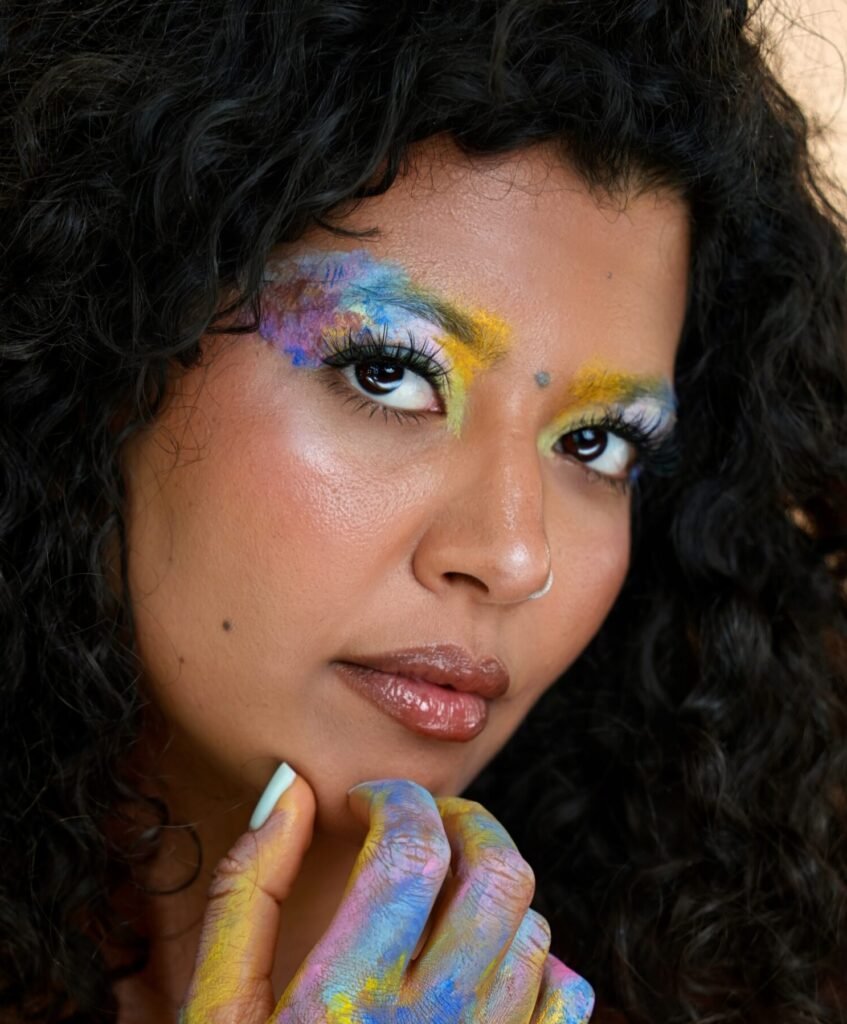
And why the “clean girl” era is officially cracking
For nearly five years, makeup culture worshipped restraint. Neutral tones. Minimal skin. Aesthetic sameness packaged as “effortless beauty.” It sold well, photographed well, and went viral easily.
Now it’s collapsing.
2026 marks a visible shift away from perfection and toward expression, individuality, and deliberate imperfection. Makeup is no longer trying to disappear into the face. It’s trying to say something again.
This is not a random aesthetic swing. It’s a cultural correction.
The Death of One-Size-Fits-All Beauty
The “clean girl” look worked because it was predictable, safe, and algorithm-friendly. The problem? It erased personality.
When everyone contours the same cheekbones, wears the same blush placement, and diffuses the same beige lip, beauty stops being creative and becomes decorative noise. Audiences feel this instinctively. Engagement drops. Interest fades.
Makeup culture is reacting by doing what it always does when it gets bored: rebelling.
Enter Glitchy Glam: When Makeup Breaks the Rules on Purpose
One of the strongest emerging movements is often called Glitchy Glam. The name matters. A glitch is a disruption. An error. A refusal to behave perfectly.
Glitchy Glam embraces:
- Asymmetry instead of balance
- Bold color placed “incorrectly” on purpose
- Graphic liner that breaks eye-shape rules
- Texture, shine, smudging, and intentional mess
This trend isn’t about looking messy. It’s about showing intention without conformity.
The irony? These looks take more skill, not less. Breaking rules convincingly requires mastery. That’s why this trend is being driven by professional artists, not casual consumers.
Why Bold Color Is Back (And Why It Never Truly Left)
Color didn’t disappear because people stopped liking it. It disappeared because algorithms punished it.
Neutrals were easier to replicate, easier to sell, and easier to scale. But audiences are now rewarding originality again. Blues, reds, greens, metallics, and hyper-pigmented liners are returning — not as costume makeup, but as modern statements.
What’s different now is how color is used:
•One bold element instead of full glam overload
•Contrast against bare skin
•Strategic placement instead of symmetry
This makes the look wearable and expressive.
Softness as Rebellion: Blurred Lips, Cloud Skin, and Human Texture
Not all rebellion is loud.
Alongside bold expression, there’s a counter-movement toward soft imperfection. Blurred lips. Diffused edges. Skin that looks touched, not airbrushed.
This isn’t laziness. It’s rejection of digital hyper-perfection.
People are tired of faces that look filtered even in real life. Soft focus makeup reintroduces humanity into beauty — slight movement, texture, and unpredictability.
In other words: makeup that looks alive.
What This Says About Culture (Not Just Beauty)
Makeup trends don’t exist in isolation. They mirror how people feel.
Right now, audiences are:
•Resisting uniformity
•Valuing individuality over polish
•Choosing emotional resonance over technical perfection
This explains why expressive makeup is outperforming technically “perfect” looks in engagement, saves, and shares.
People don’t want to look flawless. They want to look recognizable as themselves.
Why This Trend Is a Goldmine for Makeup Artists
This shift quietly raises the bar.
When beauty is about expression instead of formulas, templates stop working. Artists must understand:
- Face shapes deeply
- Color theory intuitively
- Placement psychologically
- Storytelling visually
This trend rewards education, artistry, and confidence. It punishes copy-paste makeup.
For professionals, this is good news. For amateurs relying on presets, it’s uncomfortable.
The Future of Makeup Is Personal, Not Perfect
Here’s the uncomfortable truth: perfection is boring.
The future belongs to makeup that communicates identity, mood, and intention. Looks that feel personal instead of performative. Techniques that adapt to the face instead of forcing it into trends.
Imperfection isn’t a downgrade. It’s a signal of control.
And 2026 makeup culture understands that.
Final Thought
Trends come and go. Expression stays.
Makeup is reclaiming its role as an art form, not just a social media accessory. The artists who thrive will be the ones brave enough to stop chasing perfection and start designing meaning.
This isn’t the end of beauty standards. It’s the return of personality.